Gustaf Dalman’s slide collection
“Thinking the past into the present” – this was a principle of Gustaf Dalman’s (1855-1941) “Palestine Studies”. The first director of the DEI was convinced that only knowledge of the nature and people of the Holy Land would allow theologians to fully understand the Bible.
But at the beginning of the 20th century, traveling to the land of the Holy Scriptures was time-consuming, arduous and, for certain periods of time, simply impossible. In order to give those at home the opportunity to experience the Holy Land, Dalman compiled extensive collections of photos. He used these to illustrate his famous work “Work and Customs in Palestine” and also used the photos to illustrate his lectures and talks in Germany.
A large part of Dalman’s photo collection is now in the Gustaf Dalman Institute in Greifswald. However, the German Protestant Institute for Antiquities of the Holy Land (DEI) in Jerusalem is also in possession of several hundred photos of the first director of the institute. The 120 glass projection images (slides on glass plates), which were probably created at the beginning of the 20th century, deserve special attention. They were painstakingly colored by hand, giving the viewer the unique opportunity to marvel at the Holy Land in color after the turn of the century.
The valuable pieces have an eventful history behind them. As he did every year, Dalman set off for home leave in the summer of 1914, leaving his extensive collections – including the aforementioned photographs – behind in Jerusalem. However, the outbreak of the First World War made his return to the Holy Land impossible for the time being. It was not until 1921 that Dalman was able to return to his beloved Jerusalem for a few months to organize the transport of his collections to Greifswald, where he had accepted a professorship in the meantime. This is also how the glass slides came to Germany. The majority of the photos became part of the extensive photo collection of the Greifswald Palestine Institute, which Dalman had founded there (now the Gustaf Dalman Institute).
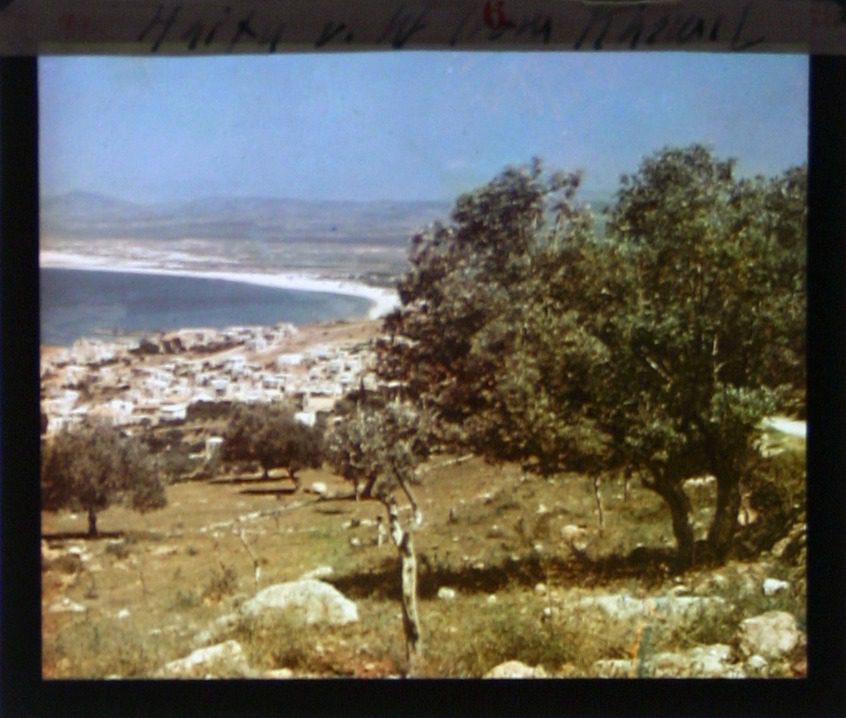
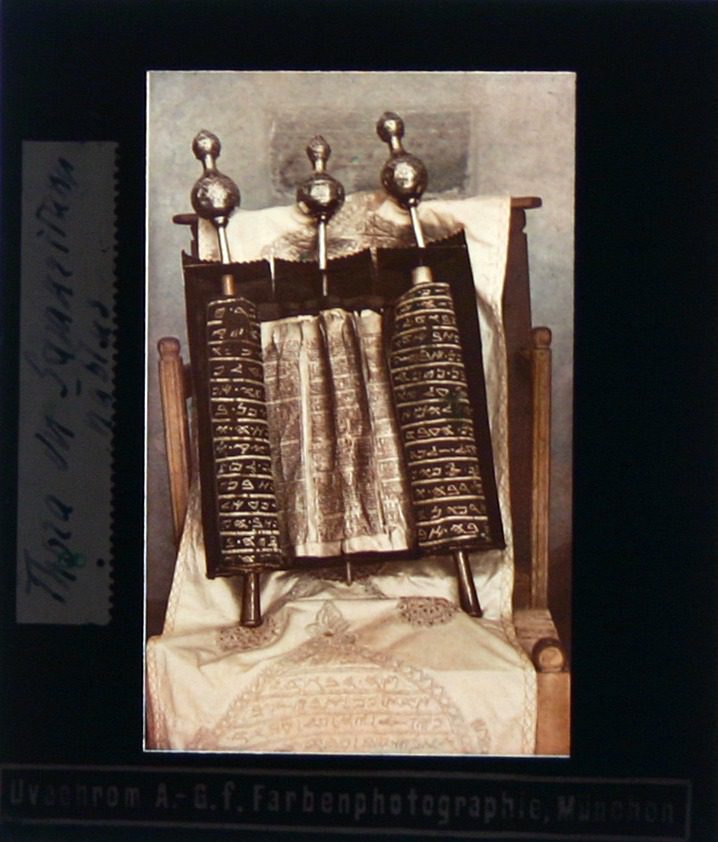
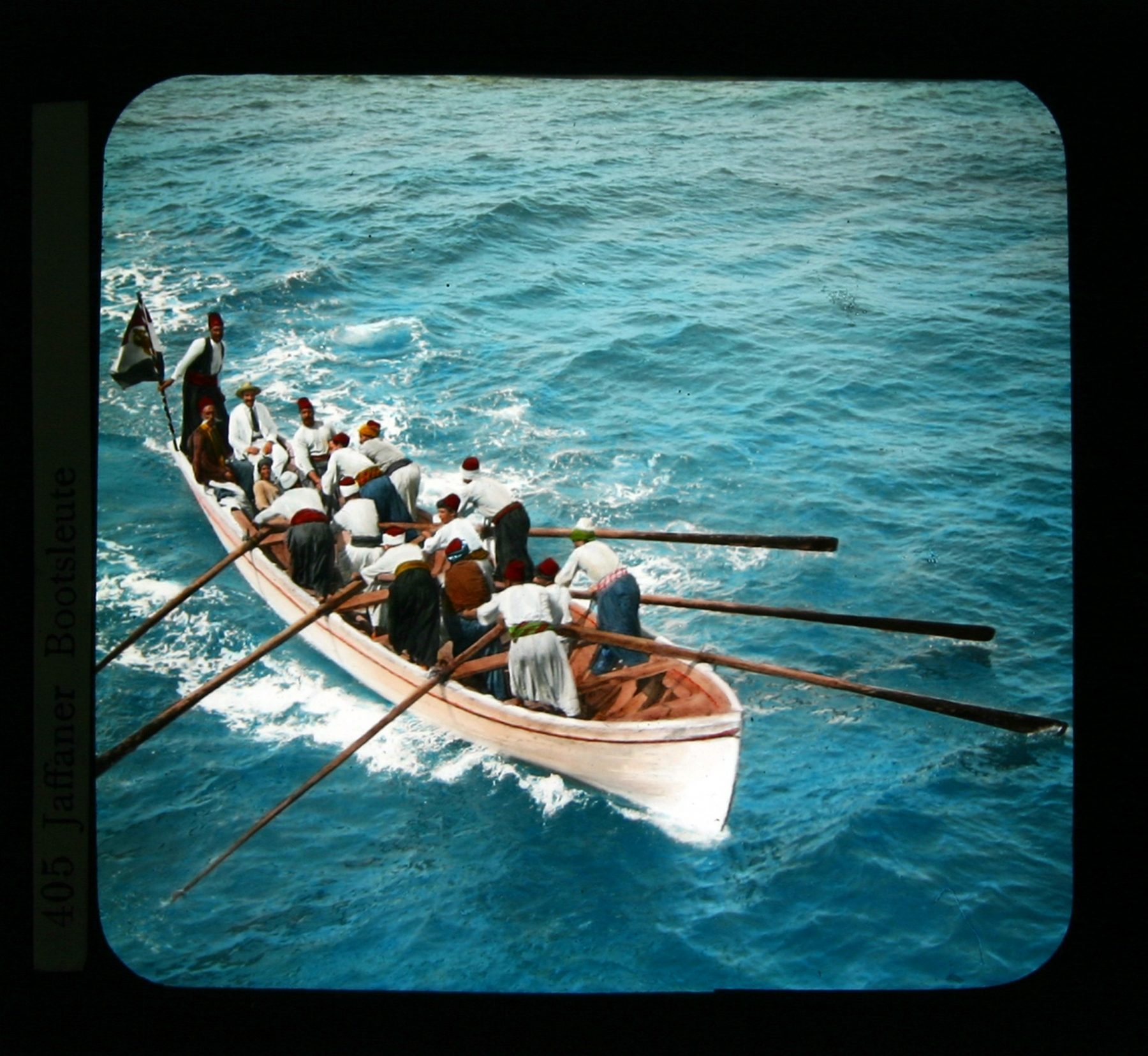

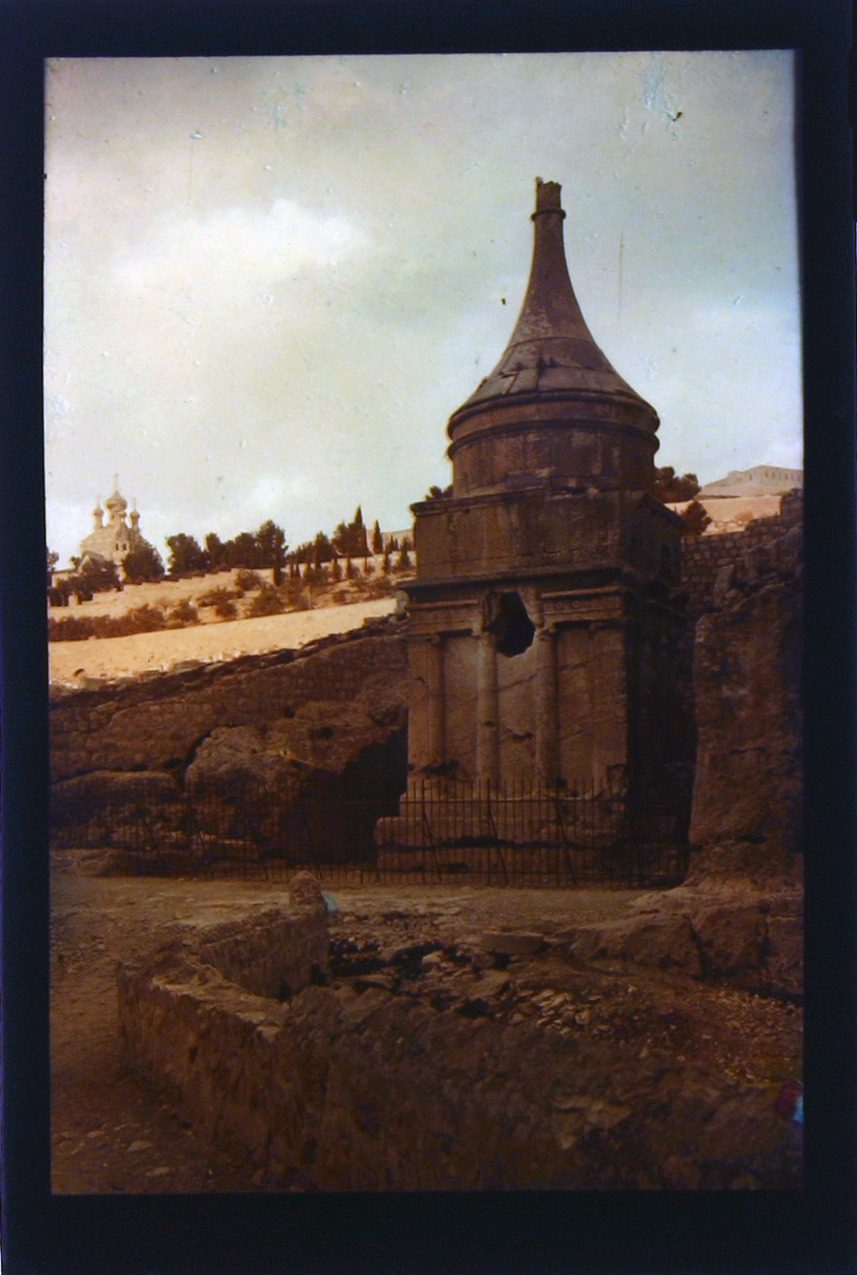
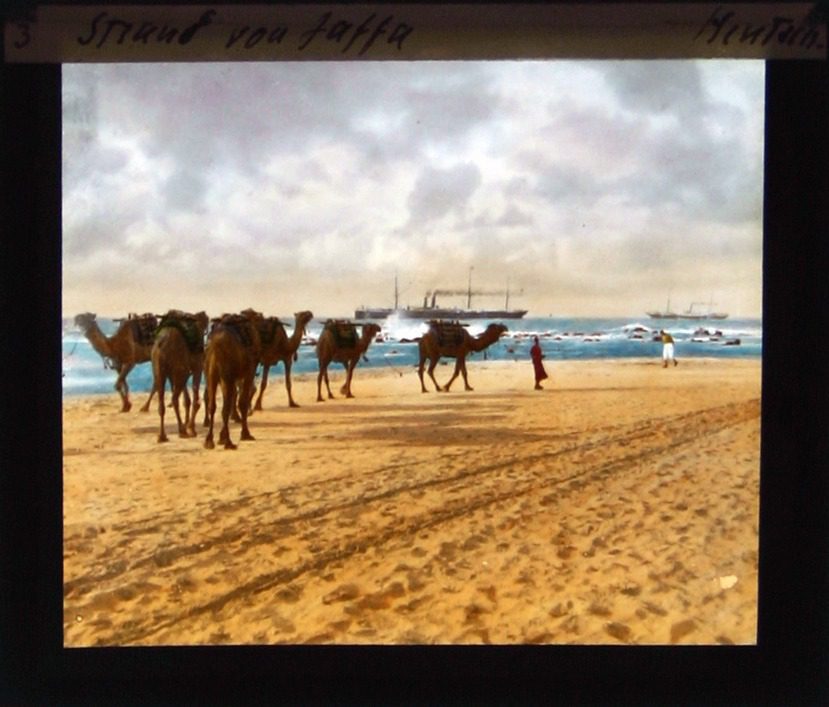
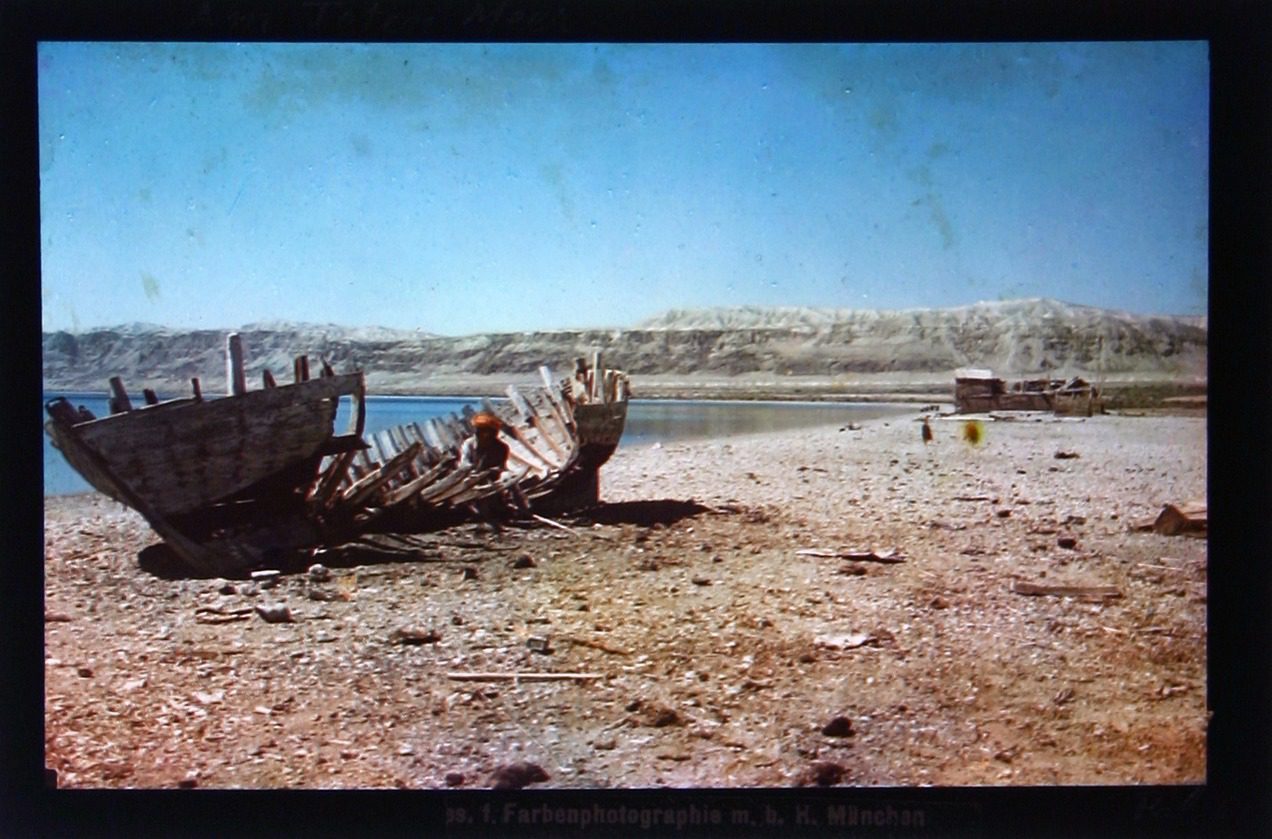
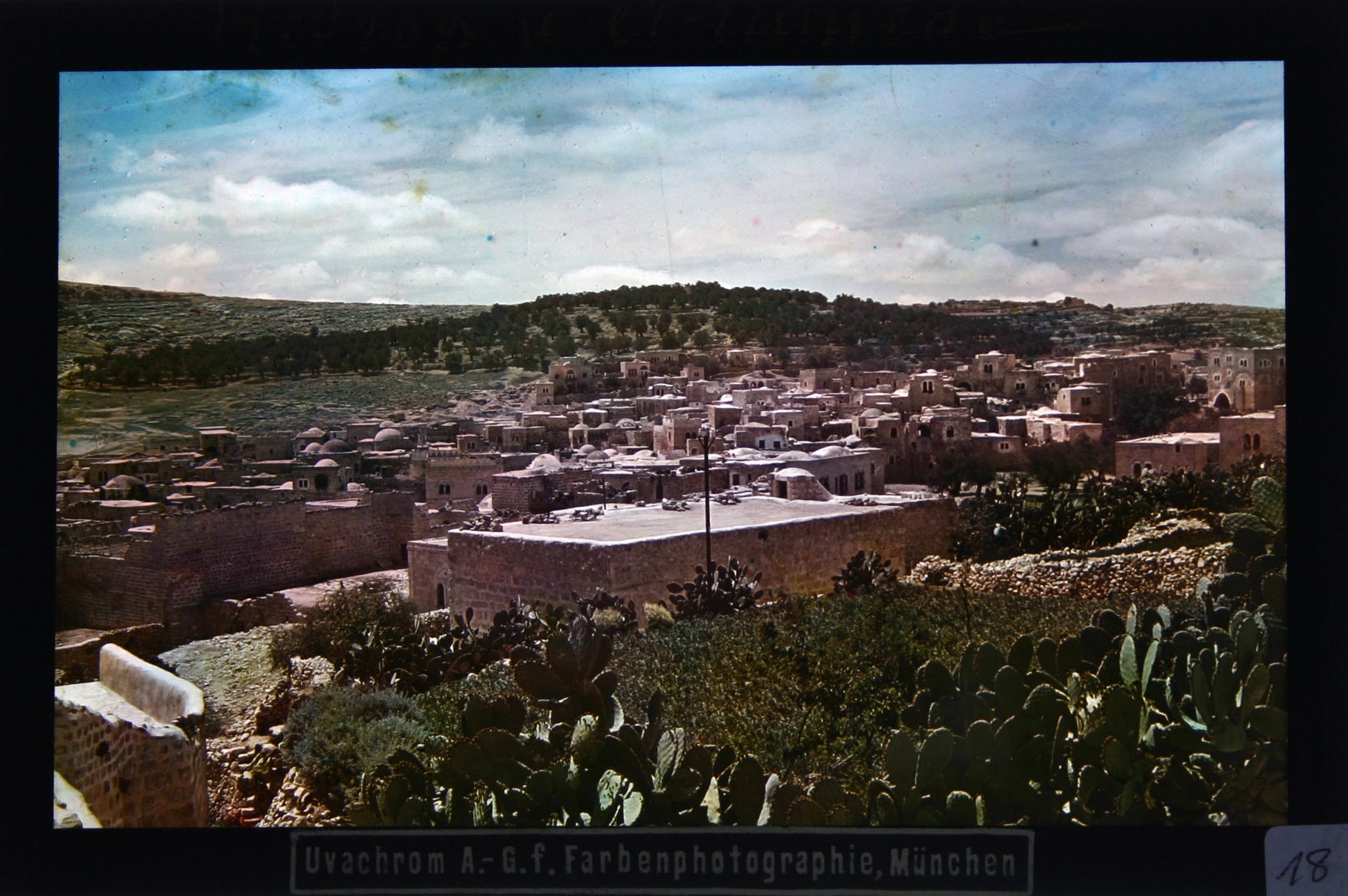
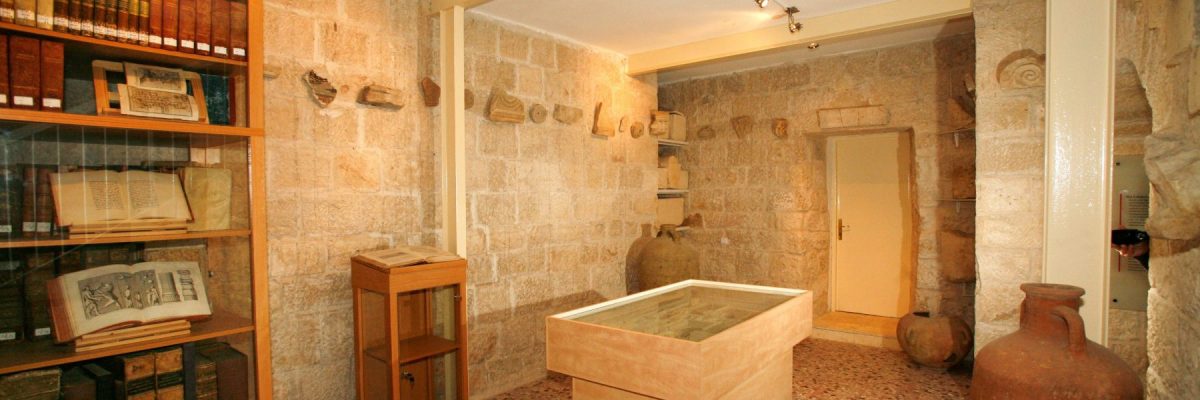
However, some photos remained in private hands. Through Johannes Julius Marx, Dalman’s nephew, Dalman’s inheritance came into the possession of the Palatine Marx family. Johannes J. Marx’s son, Pastor Traugott Marx from Godramstein near Landau, handed over part of the Dalman legacy, which is administered by the Marx family, to the care of DEI Director Prof. Dieter Vieweger. These included the glass slides presented here, a slide projector, personal and business papers, awards and certificates as well as other everyday objects. In memory of Gustaf Dalman and with heartfelt thanks to Traugott Marx, the objects are presented in the Dalman Room of the DEI Museum.
It is in this spirit that Marcel Serr’s brochure “The Palestian Gustaf Dalman” is intended to help carry on Dalman’s legacy.
Order the book at sekretariat@www.deiahl.de